Only Looks Expensive
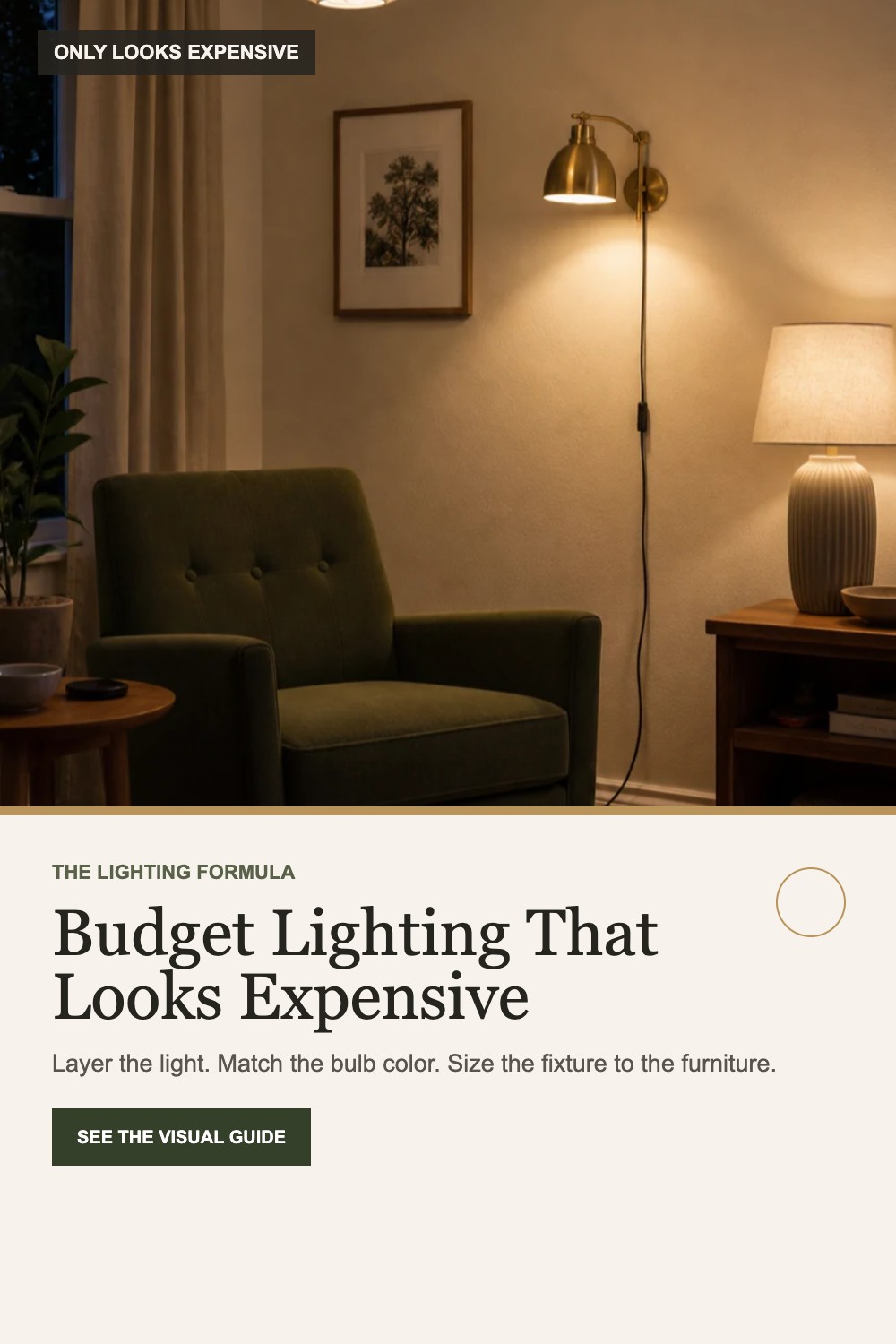
Budget lighting that looks expensive
The fixture is only half the decision. A room feels designed when the light comes from several heights, shares one calm color, and is large enough to balance the furniture.
This post contains affiliate links. If you buy through them, we may earn a commission at no extra cost to you.

Build the glow before you buy the statement piece.
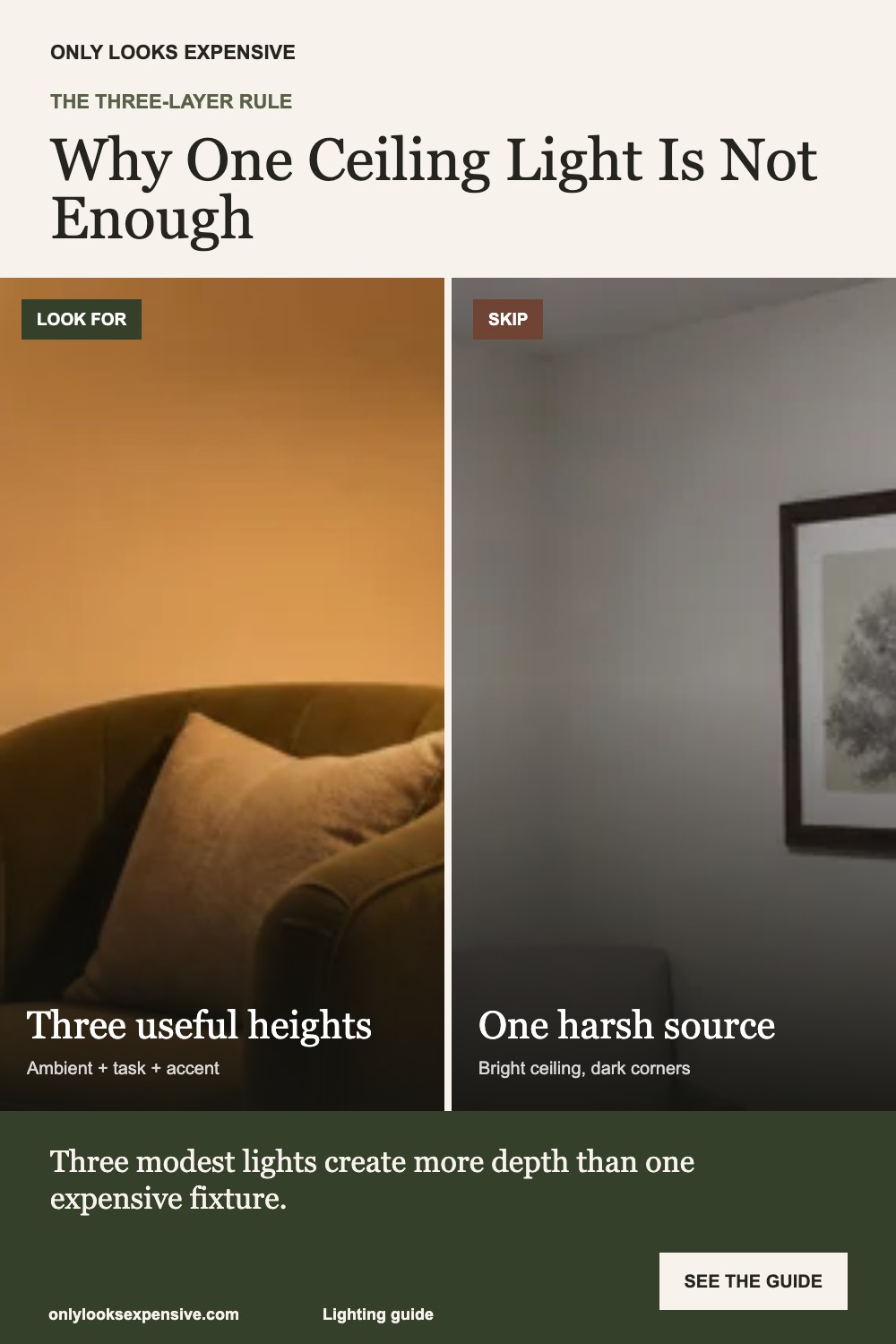
One bright ceiling light illuminates a room, but it rarely flatters it. The faster budget upgrade is to create three useful pools of light: ambient light for moving through the room, task light for reading or working, and a softer accent light near art, a shelf, or a dark corner.
Keep the bulb color consistent, then size each fixture against the furniture it serves. That order matters. A beautiful lamp cannot rescue cold glare, and a tiny lamp still looks tiny when the base is expensive.
Three modest sources beat one harsh source.
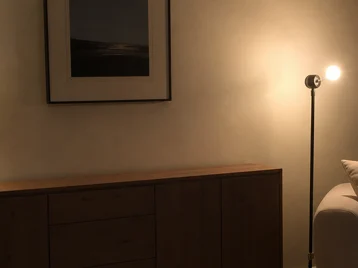
Start with what the room needs after sunset. An overhead fixture or paper shade provides ambient light. A table lamp, floor lamp, or plug-in sconce handles reading and conversation height. A small picture light or rechargeable lamp can soften a shelf or dead corner. You do not need every source on at once; the point is having useful choices.
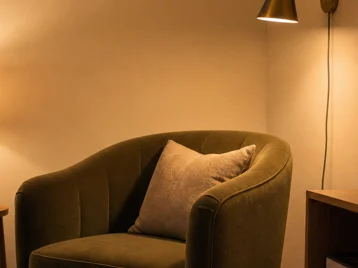 Look for
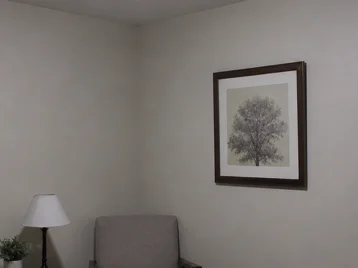 Skip
SkipMap the outlet, switch, table, and seating positions first. For plug-in sconces, confirm cord length and whether the switch sits on the cord or fixture. For rechargeable lights, read the charging method and expected run time instead of assuming they replace everyday task lighting.
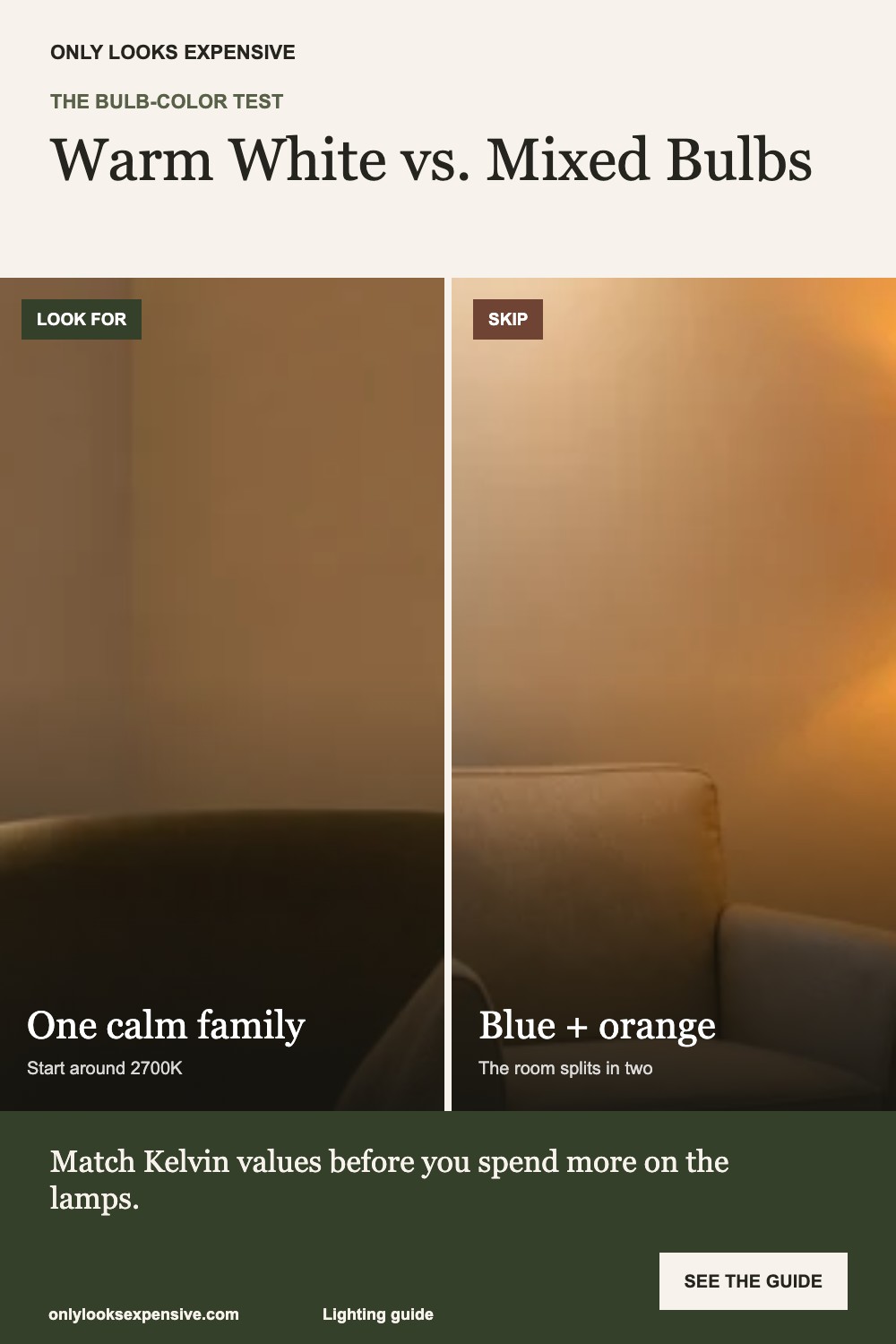
Match the temperature before matching the lamps.
For living rooms and bedrooms, warm-white bulbs around 2700K are a dependable starting point. The exact number matters less than consistency: an icy bulb beside an orange bulb makes the same cream wall look like two different paint colors. Dimmable bulbs add flexibility, but only when the bulb and fixture or dimmer are compatible.
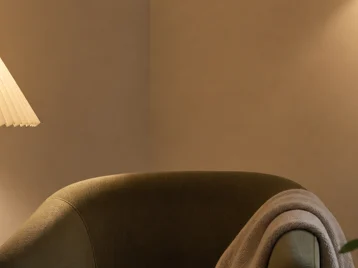 Look for
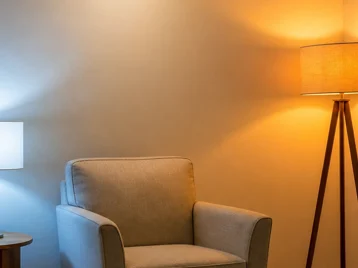 Skip
SkipRead the Kelvin value, lumen output, base size, bulb shape, and dimmability. A shade can hide the bulb from view, but it cannot correct the wrong socket or an incompatible dimmer. Keep the packaging until you confirm the color works in your room at night.
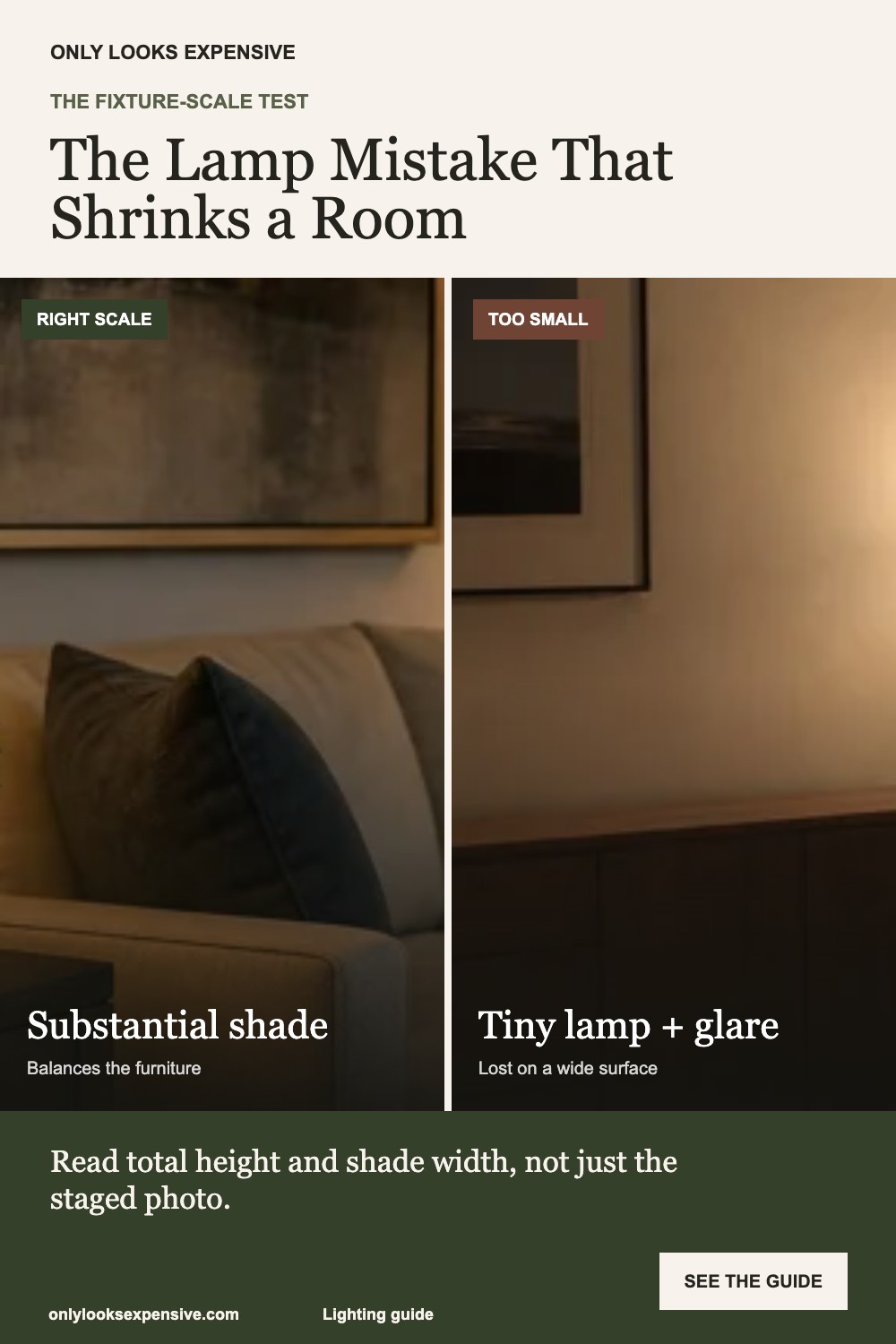
Let the shade balance the furniture.
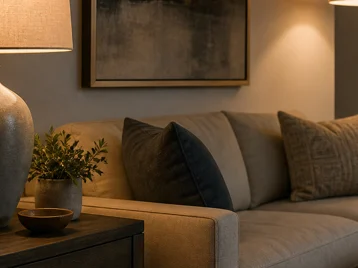
A table lamp beside a sofa usually needs enough height to bring the shade near seated eye level without exposing the bulb. On a wide console, a narrow miniature lamp gets visually lost. Measure total height, base width, and shade diameter; listing photos often make every fixture look larger than it is.
 Look for
 Skip
SkipCompare the stated height with your table and seated eye level. Tape the shade diameter onto a wall or hold a similarly sized object in place. Also check whether the shade is included; an attractive low price can exclude the part that determines most of the silhouette.
How we screen a lighting category
We decide whether the room needs ambient, task, or accent light before choosing a silhouette.
We check total height, shade width, bulb visibility, and whether the fixture balances nearby furniture.
We look for clear socket, wattage, dimming, cord, mounting, and recognized safety information.
We flag hardwiring, vague mounting hardware, short cords, replacement-shade difficulty, and unclear returns.
We have not physically tested every item in these searches. Confirm current electrical specifications, safety certification, dimensions, included parts, prices, ratings, shipping, and returns on the retailer page. Hire a qualified electrician for hardwired work.
Start with fixtures that solve a visible problem.
These categories can add a useful layer without requiring a full-room redesign. Measure first and compare the complete specifications on the retailer page.
Selection guidance last reviewed July 11, 2026. Product availability and retailer details can change.
Keep the lighting rules beside you.
Save the overview, then keep the layer, bulb-color, and scale checks for the room you are fixing.